
The Reformer Boom Changed the Industry – But Has the Profession Changed with It?
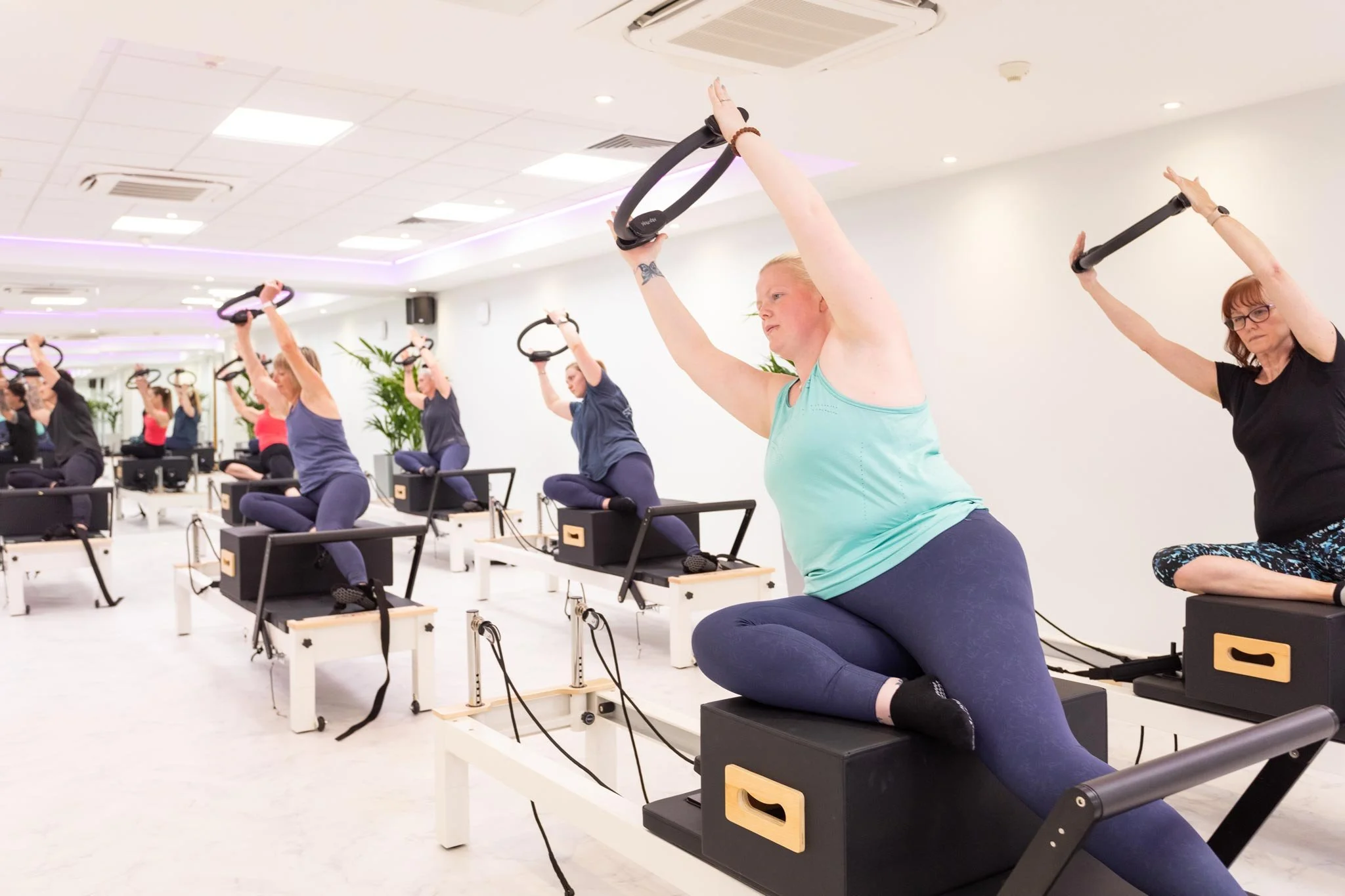
Over the past decade, Reformer Pilates has transformed our profession.
It has introduced Pilates to entirely new audiences, created exciting business opportunities and generated unprecedented demand for instructors.
With the rise of Pilates Reformer studios and large Pilates Reformer classes, these changes have reshaped expectations across the wider profession.
In many ways, it has been one of the most positive developments our industry has ever experienced. Yet rapid growth always creates new questions.
At this year's Elevate exhibition, EMD UK brought one of those questions into the public arena through a panel discussion led by Michael King and members of the EMD UK Pilates Expert Advisory Group.
The debate centred on an issue that many studio owners, educators and professional bodies have been discussing for some time.
Has the profession kept pace with the industry it now serves?
That question isn't about whether today's instructors are good enough. Nor is it about criticising education providers or suggesting there is only one way to teach Pilates.
The reality is much simpler.
The Pilates profession has become far more diverse than it was even ten years ago.
· Today's instructor might teach large Group Reformer classes within a commercial fitness environment.
· Another may specialise in Women's Health.
· Another in rehabilitation.
· Another in active ageing or neurological conditions.

Each role is valuable:
· Each serves different clients.
· Each requires different knowledge and different professional judgement.
That raises an important question: can one educational pathway realistically prepare every instructor for every career? I don't believe it can.
Initial qualifications remain essential, but they are only the beginning of professional development.
Experience, mentoring, specialist education and Continuing Professional Development all play an important role in helping instructors develop the competence required for the environment in which they choose to work.
This is why discussions around compliance, scope of practice and professional standards have become increasingly important. They are not about creating barriers. They are about giving instructors, employers, insurers and the public greater clarity and confidence.
As someone who has also worked as an Expert Witness in Pilates-related injury cases, I have seen how these issues extend beyond education alone. Questions about competence, professional judgement and scope of practice become highly relevant whenever professional decisions are examined.
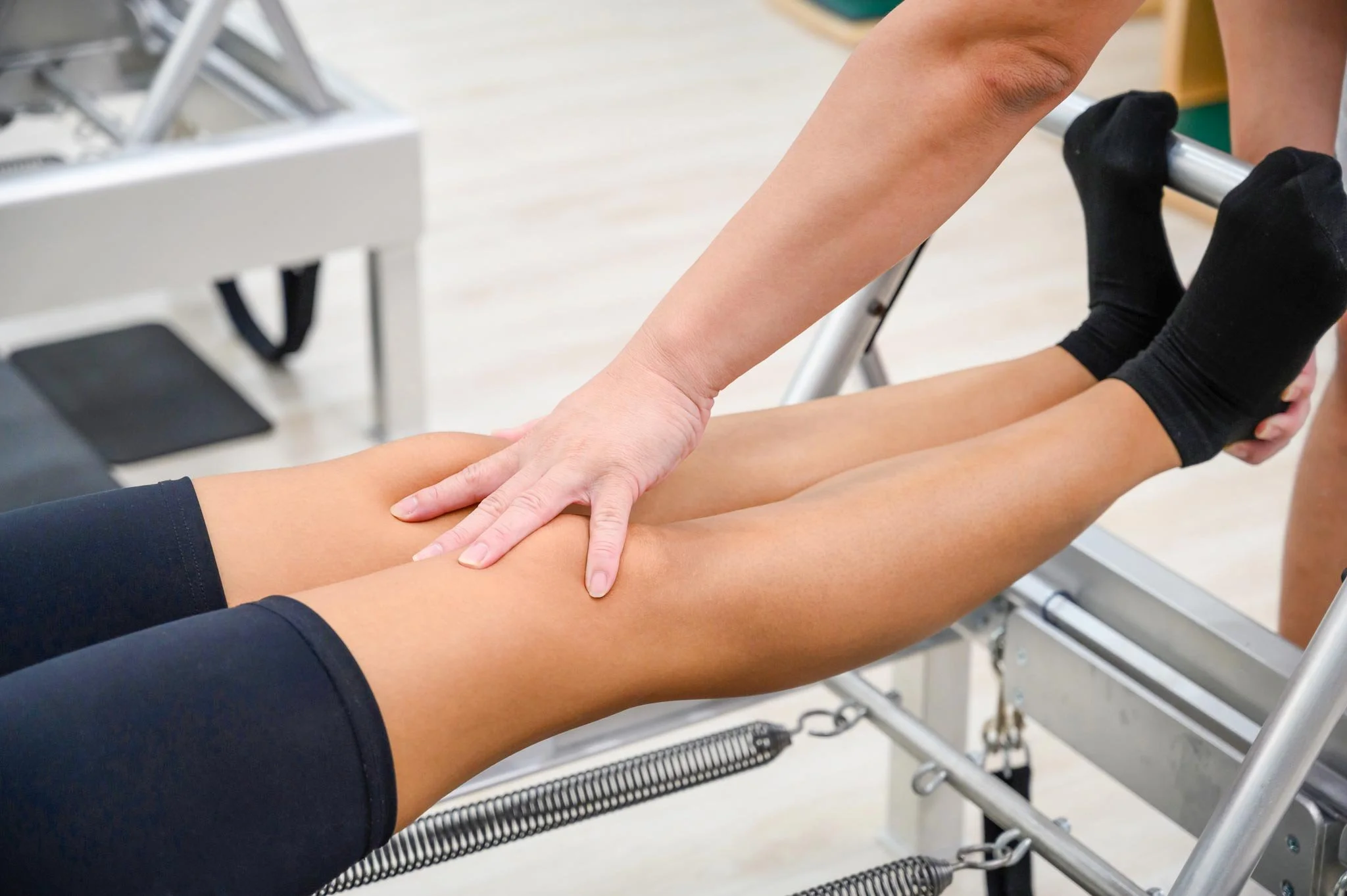
For me, that is why the discussion at Elevate mattered. Not because it produced all the answers. But because it demonstrated that our profession is ready to have the conversation.
Read the Full Industry Perspective
In this month's Industry Perspective, I explore why the Reformer boom has changed far more than the way we teach Pilates.
I examine how rapid industry growth is influencing education, compliance, scope of practice and Continuing Professional Development, and why I believe these discussions will help shape the next stage of our profession's evolution.
Whether you are an instructor, studio owner, educator or employer, I hope it provides food for thought.