
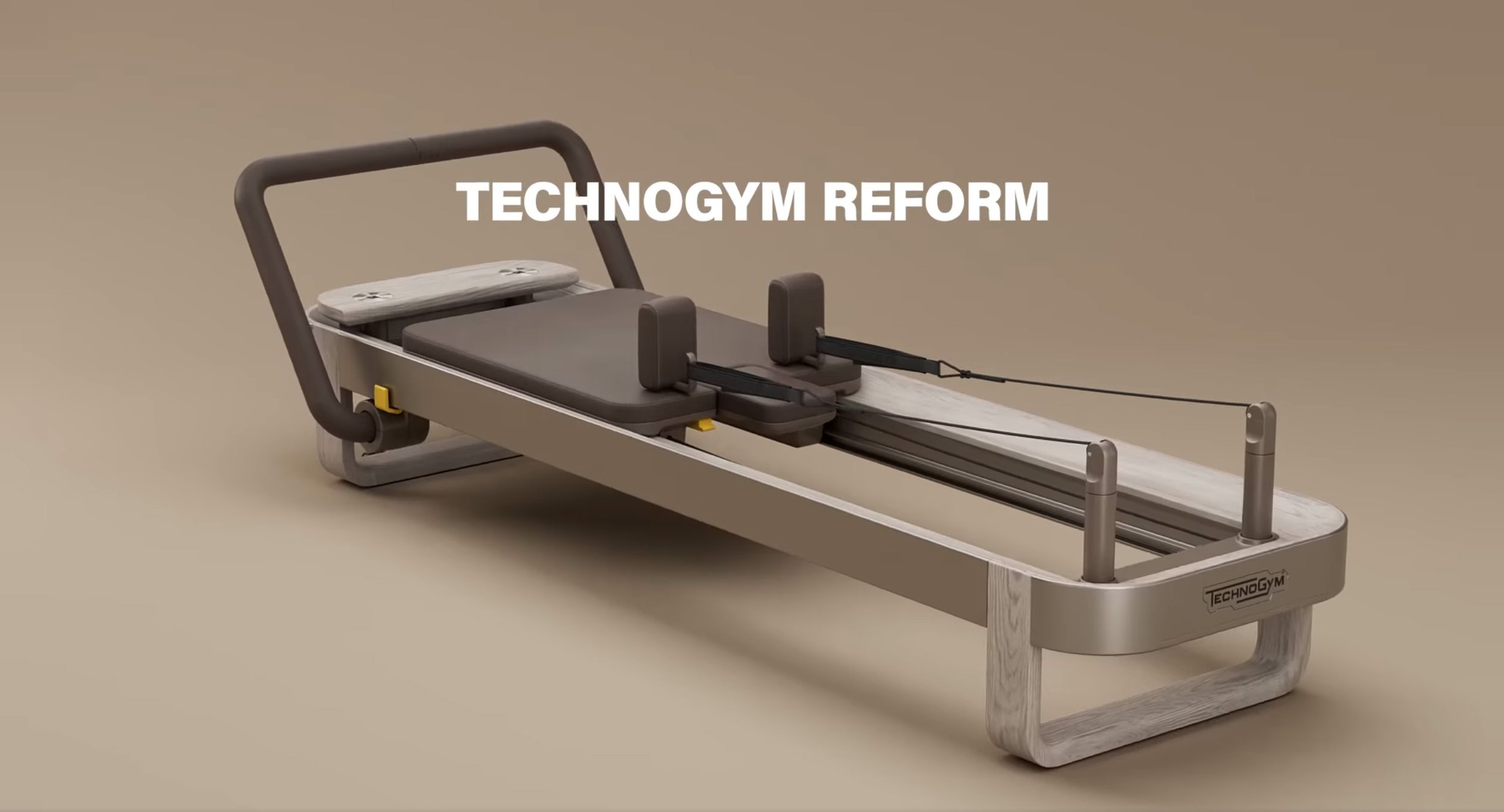
Technogym Reform Launch: Will It Disrupt the Pilates Reformer Market?
The launch of the Technogym Reform Pilates Reformer marks the company’s official entrance into the Pilates equipment market, raising significant interest among UK studios, gyms, and home fitness users. Designed with sleek aesthetics, quick-adjust features, and Pilates digital integration, the Technogym Reform is positioned as a luxury, connected apparatus appealing to wellness-focused hotels and home users alike. As Technogym enters the Pilates market, it brings global service networks and brand prestige, but faces the challenge of proving its Reform can match the durability and functionality of long-standing brands like Balanced Body, Merrithew, and Align-Pilates.
While the Technogym Reform may rapidly gain popularity in hotels and luxury settings, UK Pilates instructors are urged to remain cautious. The true test will be how the equipment performs in high-volume studios and whether it can support the demands of professional Pilates instruction. With the Pilates Reformer market growing rapidly, the need for qualified Pilates instructor support and intelligent, progressive teaching remains paramount. For now, Pilates equipment disruption will come not from design alone, but from how well new players like Technogym earn the trust of experienced professionals.
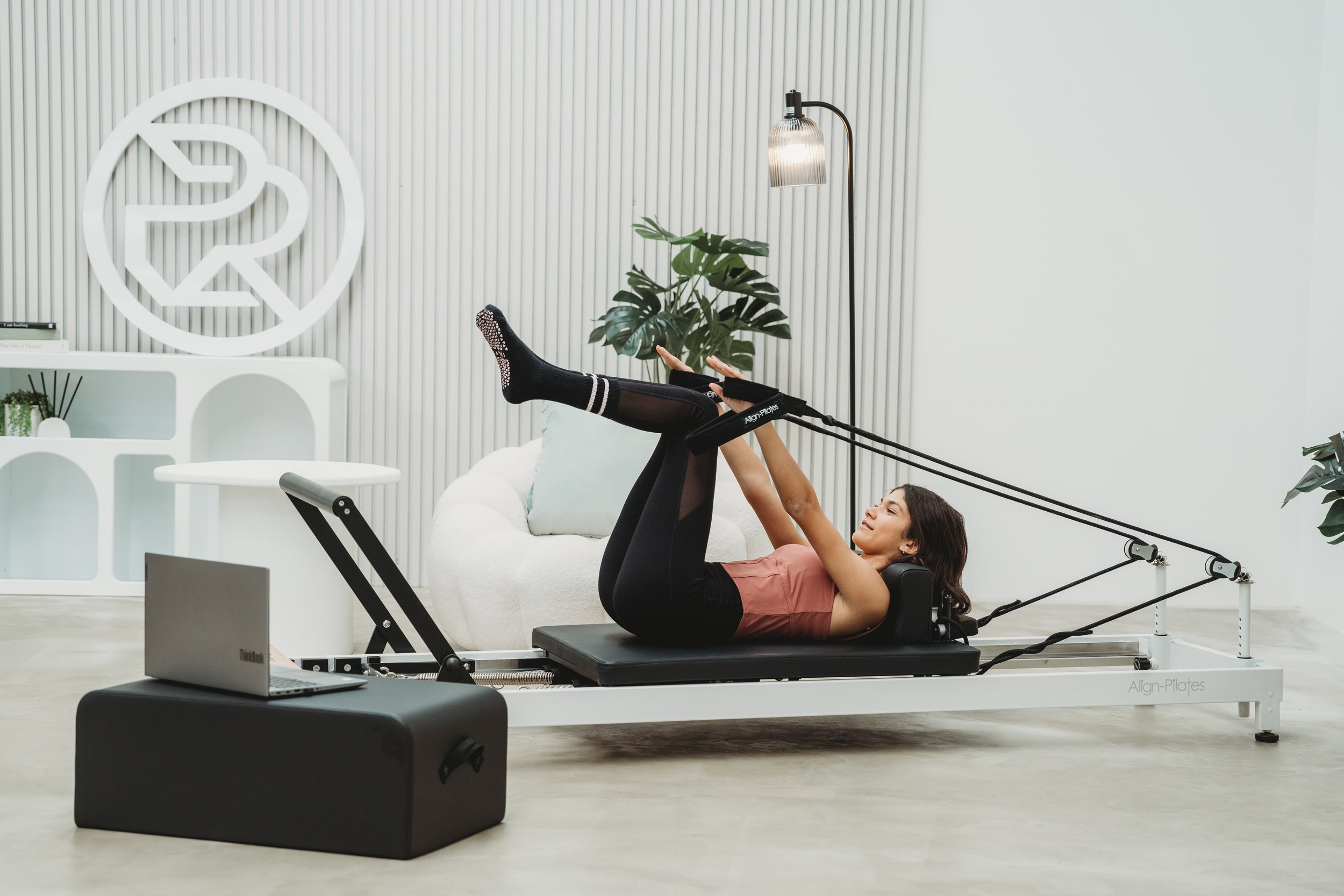
Pilates Reformer Market Set to Nearly Double in Value by 2035 : Key Insights for UK Instructors
The global Pilates Reformer market is experiencing exponential growth, with recent projections indicating it will nearly double in value from USD 7.6 billion in 2025 to USD 16.8 billion by 2035. This surge, driven by the home fitness boom, celebrity influence, and growing health awareness, signifies a major opportunity for instructors—especially in the UK. The demand for compact, foldable reformers and smart, tech-integrated equipment is rising fast, as more users seek digital access and at-home workout options. For UK Pilates instructors, this trend suggests the urgent need to embrace hybrid Pilates classes, combining in-studio expertise with online accessibility.
While the Pilates Reformers set to nearly double in global market value by 2035 is cause for optimism, it also brings challenges. Budget equipment, competing fitness fads, and underqualified instructors threaten the reputation of Pilates as a safe, intelligent discipline. UK instructors must focus on elevating their professional standards through credible CPD, health and safety training, and market awareness. Emphasising client education, prioritising apparatus safety, and capitalising on hybrid teaching models will be essential in remaining competitive while safeguarding the legacy of the Pilates method.
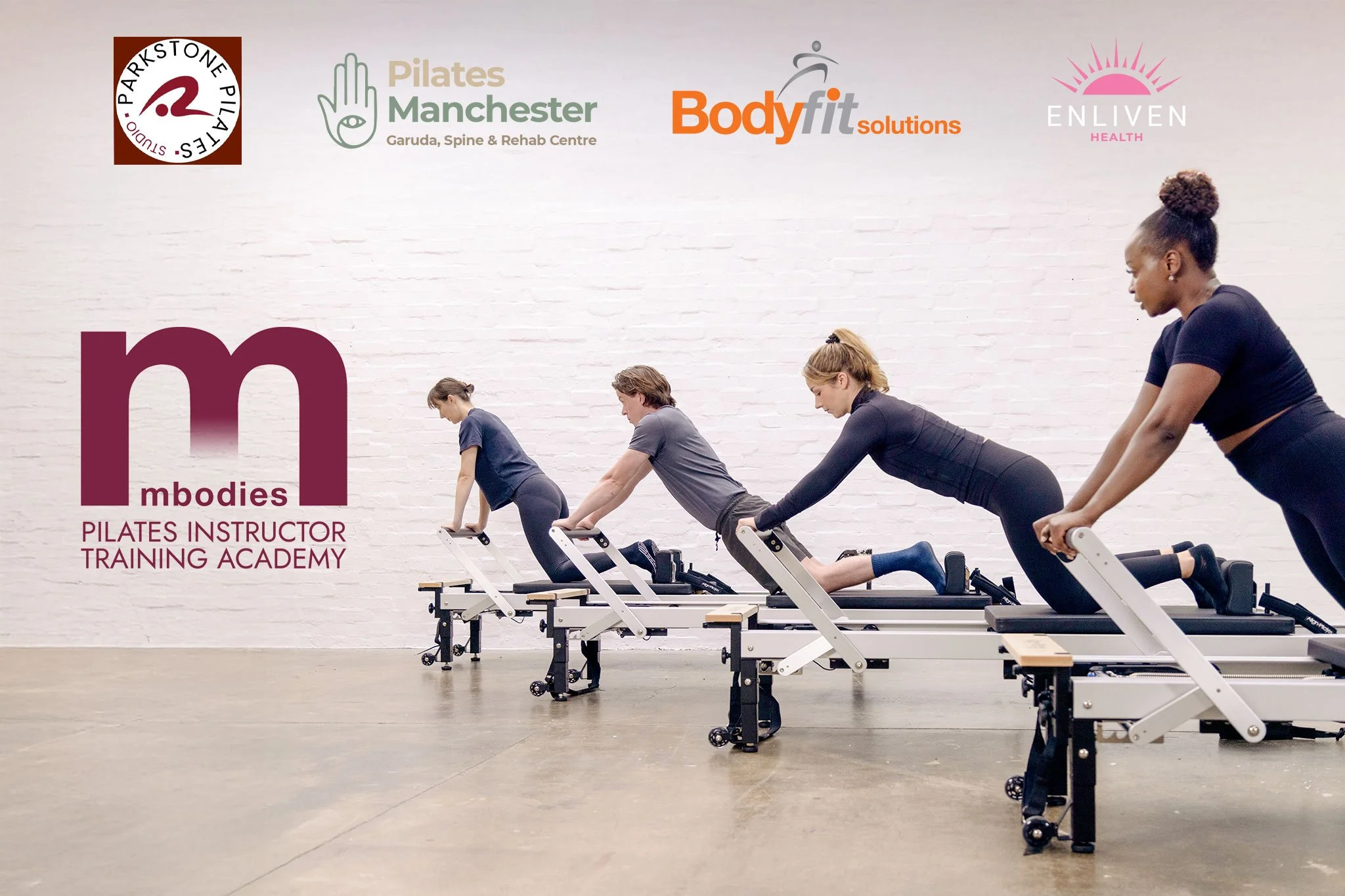
Upcoming Accredited Pilates CPD Training in Poole, Manchester, Oxfordshire & Buckinghamshire
At Mbodies Training Academy, we are committed to supporting Pilates professionals with flexible, accredited CPD qualifications that fit around busy teaching schedules. Our unique hybrid model combines comprehensive online study resources with expert tutor support and the option of face-to-face, small group workshops at our Satellite Centres. This approach ensures that every instructor can access high-quality training in a way that best suits their learning style.
This autumn and into 2025, we are delighted to showcase upcoming programmes at our established and growing network of Satellite Centres across the UK.

Pilates Apparatus is Not Dangerous – Poor Teaching Is
Pilates apparatus is not inherently dangerous—poor instruction and a lack of proper safety protocols are the real risks. Unlike gym equipment with powered resistance or heavy free weights, Pilates machines use springs to offer controlled, supportive resistance, making them safer when used correctly. However, incidents often arise from instructors who are undertrained, group classes with inappropriate exercises, and studios that fail to carry out thorough Pilates health and safety policies or risk assessments. The rise in injuries reflects commercialisation and entertainment-focused class models that prioritise adrenaline over alignment, control, and safety.
To protect clients and uphold the method Joseph Pilates intended, studio owners and instructors must invest in robust Pilates instructor training and studio-wide Pilates risk assessment practices. Tools like the Mbodies Studio Pilates Health & Safety CPD offer essential education, policy templates, and practical guidance to elevate standards. When instructors understand how and when to progress or regress exercises, implement spotting, and distinguish between group-appropriate and one-to-one movements, Reformer Pilates injury prevention becomes entirely achievable. Ultimately, with sound practices in place, Pilates apparatus safety can be upheld across every studio setting.
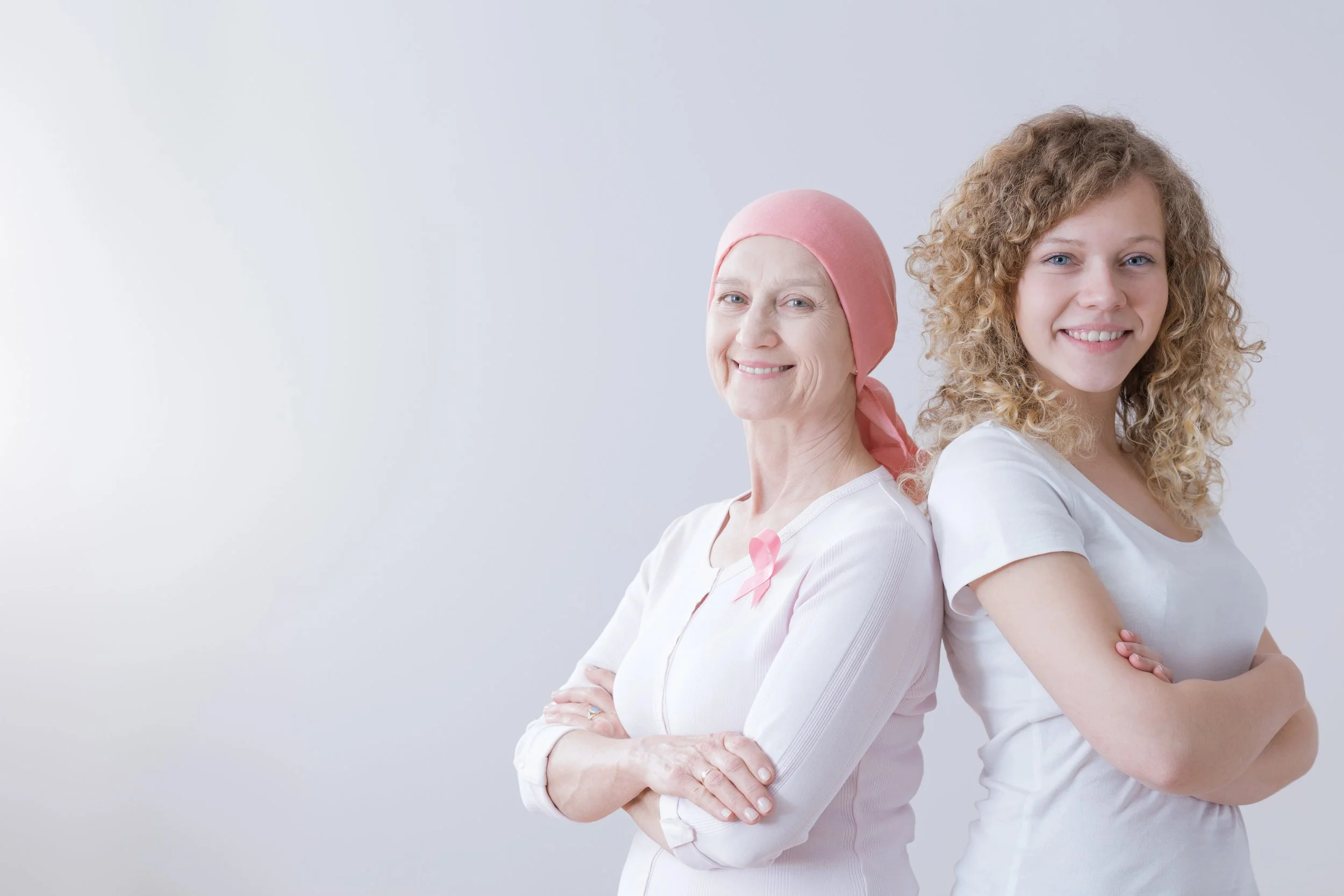
Specialist Pilates for Breast Cancer Recovery | Rugby’s St Cross & Pink Ribbon Rehab Training
A recent Warwickshire World feature highlighted the groundbreaking work at the Laurel Unit, Rugby’s Hospital of St Cross, where women recovering from breast cancer surgery now benefit from specialist Pilates-based rehabilitation. Led by Lucy MacDonald, Lead Physiotherapist for Breast Cancer Rehabilitation at University Hospitals Coventry and Warwickshire (UHCW), these sessions combine scar management, posture correction, and progressive exercise to help patients regain strength and confidence. Funded by the West Midlands Cancer Alliance, the six-week programme goes beyond standard Pilates, offering tailored support that addresses physical, psychological, and social recovery needs after surgery.
This initiative is underpinned by the Pink Ribbon Breast Cancer Post-Operative Rehab Course, an online training programme for Pilates instructors, physiotherapists, and movement professionals. The course equips practitioners with the knowledge to safely guide patients through recovery, considering factors such as scar tissue, lymphoedema, fatigue, and emotional wellbeing. With breast cancer affecting 1 in 7 women in the UK, the demand for specialist rehabilitation is urgent. By completing this training, professionals can bridge the gap between medical rehabilitation and everyday movement, offering life-changing support that restores both health and quality of life.
Pilates & Osteoporosis in the UK | Reformer vs Matwork, Instructor Education & Mbodies CPD
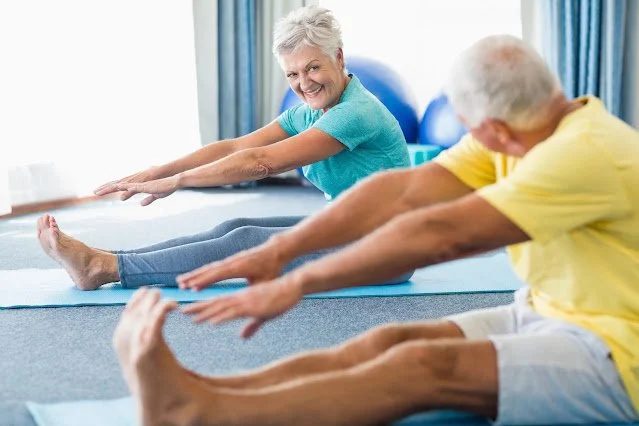
In August 2025, Mbodies Training Academy responded to Women’s Health UK’s article, “Reformer Pilates is more effective than mat for preventing osteoporosis”, highlighting serious flaws in applying U.S.-based assumptions to the UK health system. While Pilates both Reformer and Matwork offers undeniable benefits for posture, balance, and wellbeing, the UK’s lack of proactive DEXA screening means many women over 50 live with undiagnosed osteopenia or osteoporosis. With 1 in 2 women over 50 likely to experience a fracture, and over 40% already having low bone density without knowing it, the risks of teaching unadapted Pilates are significant. Movements like spinal flexion, deep rotation, or unsupported inversions may increase fracture risk if instructors are unaware of a client’s bone fragility.
The solution lies not in choosing Reformer over Mat, but in education and safe adaptation. Mbodies’ CPD modules—Joseph Pilates 34 Exercises, Standing Pilates, and Accessory-Enhanced Matwork—equip instructors with bone-friendly progressions, over 100 standing and functional exercises, and 60+ prop-based adaptations to improve posture, strength, and balance safely. By embedding osteoporosis-safe Pilates strategies into instructor training, Mbodies ensures professionals can confidently support older adults and at-risk populations. As the UK population ages, responsible, evidence-based programming is essential—moving beyond marketing soundbites to ensure Pilates remains a safe, effective tool for bone health and functional movement.

Why Pilates Clients Choose Connection Over Credentials: Results, Not Stereotypes
Clients choose Pilates instructors based on results, personality, and connection—not appearance or certifications. While traditional fitness norms often favor instructors who fit the “thin and fit” stereotype, the real drivers of client satisfaction are empathy, relatability, and the ability to deliver transformative outcomes. Research and industry experience reveal that clients prioritize how they feel during and after class, not where an instructor trained or how they look. Engaging instructors who offer authentic support and practical solutions—such as improved posture, reduced pain, and increased confidence—are more likely to attract and retain loyal students, regardless of their body type or credentials.
For Pilates studio owners, the key to long-term success lies in promoting inclusive, personality-driven instruction and focusing on the client experience. Instructors who embrace their individuality, challenge biases, and communicate how they help clients achieve specific goals foster community and trust. Marketing strategies should emphasize real-life success stories, empathy, and the tangible benefits of training, rather than credentials alone. By shifting away from outdated ideals and prioritising genuine connection and results, studios can create a more inclusive, impactful, and profitable environment for clients and instructors alike.
Why Niche Pilates Studios Succeed: Specialisation Over Services for Profit & Growth
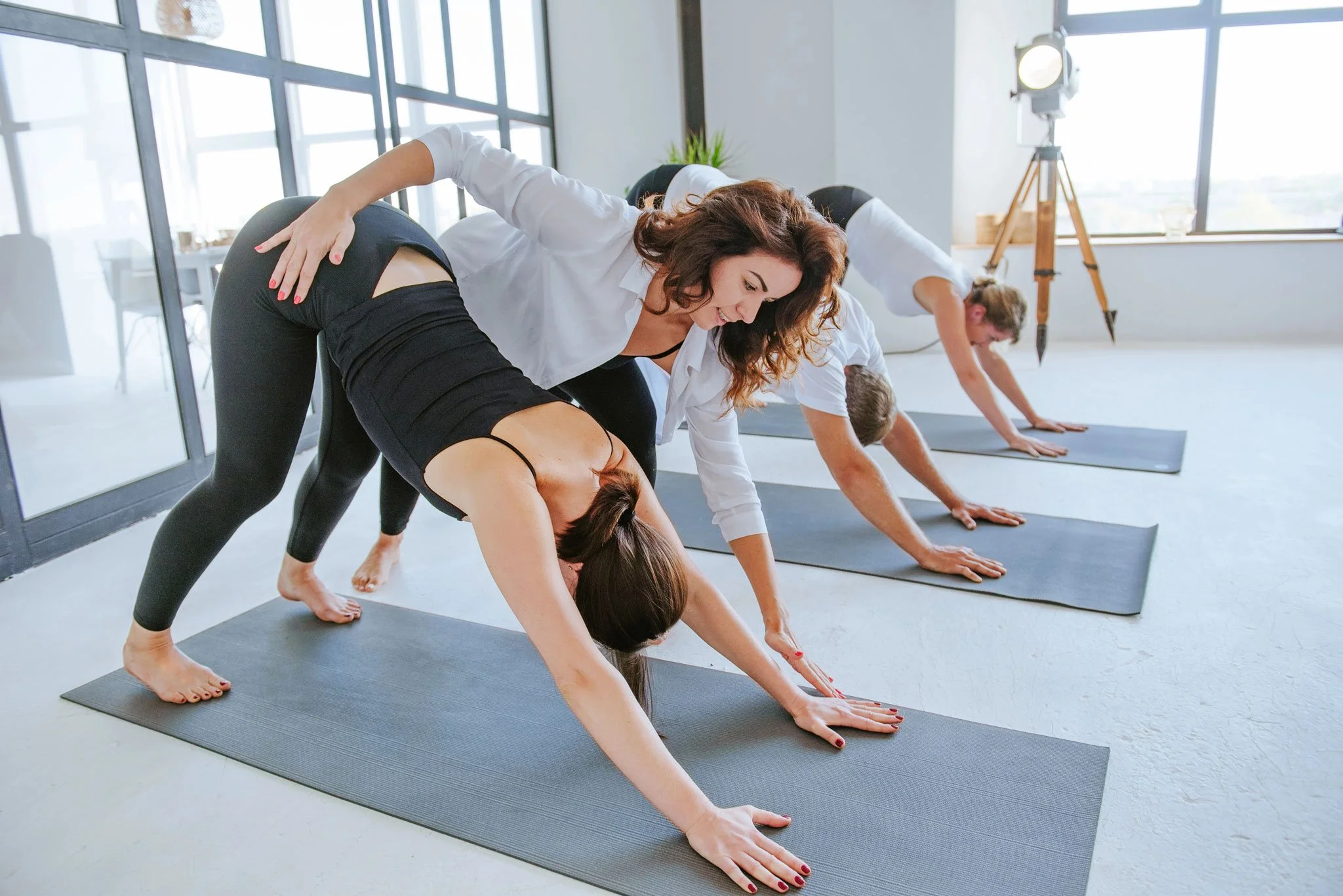
Boutique Pilates studios thrive when they embrace specialisation over offering a broad range of services. While many Pilates studio owners believe that including everything from Matwork, Reformer, and Barre to yoga and TRX will attract more clients, this often results in diluted branding and high operational costs. Research on boutique fitness trends reveals that studios focusing on niche services like Pilates for back pain, limited mobility, or core strength achieve higher profit margins and better client retention than generalist gyms. Case studies like Club Pilates and Forma Pilates show how a focused Pilates business niche strategy, paired with consistent branding and high-quality instruction, can drive scalable success and foster strong word-of-mouth growth.
Market differentiation in the boutique fitness industry comes from becoming an expert in a specific niche. Pilates studios that deliver highly specialised services—such as Pilates for the elderly or premium Reformer sessions—benefit from leaner operations, higher average revenue per client, and strong community engagement. Smaller class sizes and targeted offerings encourage habit formation and long-term attendance. Successful studios like SOMA Wellness in Sydney demonstrate how branding around a clear niche, supported by premium pricing and personalised services, creates a loyal client base. For Pilates entrepreneurs, building a profitable boutique fitness studio means focusing on fewer, high-value services that solve specific client problems exceptionally well.
Observation and Layering : Hallmark Skills of Expert Pilates Teaching
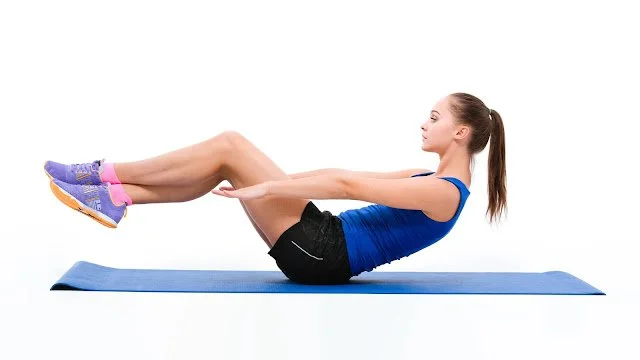
Observation and layering are the hallmark skills that transform Pilates instructors into true educators. This article explores how expert teachers use observation to identify subtle movement patterns and layering to build intelligent progressions. With insights from Mbodies’ new CPD series and a case study by physiotherapist Loraine Prokopiou, it highlights why revisiting the Fundamentals of Joseph Pilates’ Method is vital for safe, effective teaching.
Behind the Scenes: 34 Exercises. 30 Minutes. One Very Hot Day in June
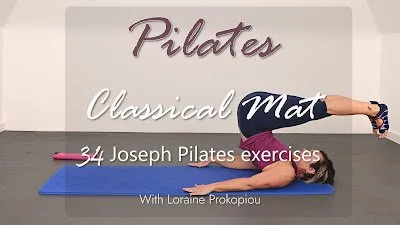
This June, our studio turned into a furnace as we filmed something truly special: all 34 of Joseph Pilates’ original Matwork exercises, performed in sequence exactly as described in Return to Life Through Contrology. With temperatures soaring under full studio lighting, Loraine Prokopiou completed the entire 30‑minute classical workout in one continuous flow, offering real‑time teaching cues while our four‑camera setup captured every detail.
This behind‑the‑scenes session forms part of a new Mbodies CPD module designed for instructors who want to reconnect with the authentic roots of Pilates, expand their teaching confidence, and deepen their understanding of the method. It’s a glimpse into the growing family of CPD opportunities we’re building to support instructors at every stage of their journey.

Can You Explain What Pilates Is? Why Instructors Need a Clear Definition
Many Pilates instructors hesitate when asked a simple question: “What do you do?” This article explores why clear, confident communication is essential to professional identity, client engagement, and building trust in the Pilates industry.
You’ll learn a concise, adaptable definition of Pilates, discover how to tailor your message to different audiences, and see how Mbodies’ CPD module helps instructors master this vital skill.
Ten ways that Pilates is Distinct from Other Movement Forms of Exercise?
Pilates stands apart from yoga, physiotherapy, and other movement disciplines through its developmental sequencing, spring‑based apparatus, mind–body coordination, and whole‑body integration. Discover ten defining characteristics that make the Pilates Method a unique and intentional approach to movement.
How to Become a Truly Client-Centred Pilates Teacher
Most Pilates instructors are trained to teach choreography, not real people. This article explores why today’s education system leaves teachers underprepared — and how a client‑centred approach built on assessment, empathy, and practical programming can transform confidence and capability. Mbodies offers a new pathway for instructors who want to teach Pilates for real people, not just repertoire.

Reignite Your Pilates Teaching: Overcoming Burnout with New Energy
Feeling burnt out as a Pilates instructor is more common than you think. Explore practical ways to reignite your passion through creative lesson planning, continuous learning, personal practice, and supportive community connections — with guidance from Mbodies Training Academy.

Pilates Trademark Lawsuit: What Every Instructor Should Know Today
The Pilates trademark lawsuit of 2000 freed Pilates instructors to use the term “Pilates” without fear of legal action. This landmark case shaped the modern industry and protected the legacy of Joseph Pilates. Understanding the lawsuit is vital for today’s teachers who benefit from the hard-won freedom it secured.

Are Classical and Contemporary Pilates Now Closer Than Ever?
Classical Pilates and Contemporary Pilates, once divided, now face a common challenge: preserving the Pilates method amid the rise of Fitness Reformer classes. As both traditions evolve, their shared respect for Joseph Pilates' vision becomes crucial. With unity and purpose, they can protect the depth and integrity of the method they cherish.

Re-Educating the 'Qualified' Instructor: A Second Chance at First-Class Training
A growing number of Pilates instructors are discovering that their initial qualification didn’t prepare them for real clients with real needs. This article explores why so many teachers feel under‑confident, what’s missing from standard training, and how Mbodies’ re‑education modules rebuild depth, capability, and client‑centred teaching skills. For instructors who want to teach with purpose — not just pass assessments — this is a second chance at first‑class training.
Pilates Matwork: Out of Fashion or Just Ready for Its Comeback?
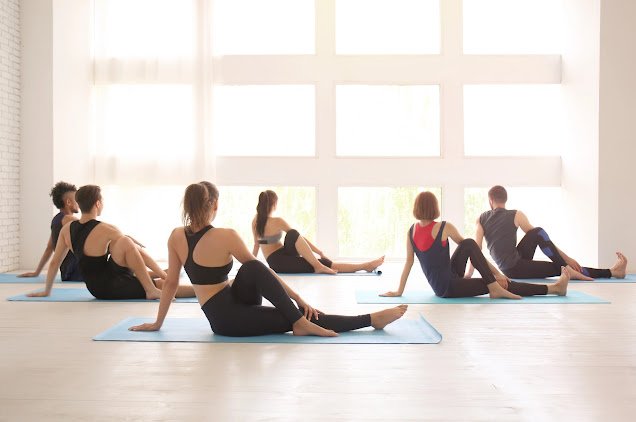
Pilates Matwork has been overshadowed by Reformer trends, but it’s far from outdated. This article explores why Matwork has been misunderstood, why instructors are returning to it, and how Mbodies is reimagining Mat-based teaching for modern clients. With adaptable programming, functional movement, and multiple learning pathways, Matwork is poised for a meaningful comeback.

Why the Elderly Market remains the Untapped Opportunity for Pilates as opposed to Fitness Professionals
Not only is the elderly population more in need of what Pilates offers, but it also represents one of the most under-served and economically valuable demographics in the wellness sector today. Here I explore the data and the opportunity.

Tariffs, Trump & ‘Teasers’: How World Trade Politics Are Reshaping the Pilates World
Outside the U.S., the Pilates equipment supply landscape is shifting rapidly. UK, EU, Middle East, and Asia-Pacific markets are seeing increased outreach from Chinese OEM manufacturers and global brands seeking to offset U.S. losses. Brands like Align-Pilates—less dependent on U.S. trade—may see growth in regions with stable logistics and lower tariffs. However, Pilates professionals are urged to proceed with caution when importing directly, as not all reformers meet CE or ISO standards. In a politically volatile climate, Pilates instructors and studio owners must remain agile—reviewing supplier relationships and anticipating delays or pricing volatility in their apparatus planning. The evolving Pilates reformer import landscape makes it more important than ever to stay informed and strategically flexible.