
Does a Pilates Qualification Make You a Specialist?
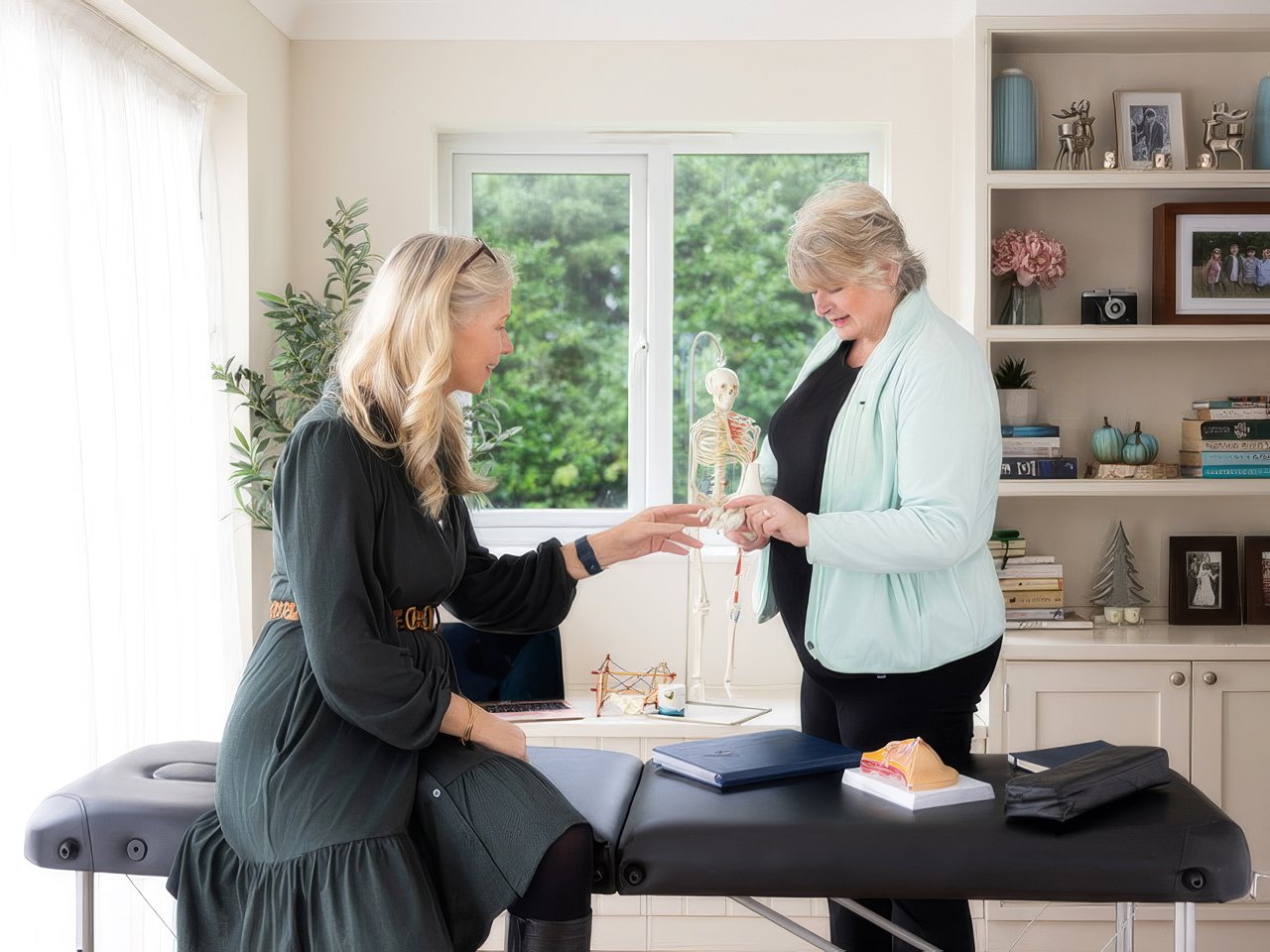
Fiona Palmer with her client
Many Pilates instructors wonder whether gaining more qualifications automatically makes them specialists, or whether specialist practice develops in a different way.
One Pilates Consultant reader asked a question that developed into our first Guest Perspective. One of the things I particularly enjoy about writing the monthly Pilates Consultant Perspectives is what happens after I publish them.
I have a number of regular readers who will email me, challenge something I have written, add an example from their own experience or suggest a subject they think deserves a future Perspective. I don't necessarily agree with every suggestion or observation, but that is rather the point. I want the Perspectives to encourage discussion about the profession rather than simply provide another collection of articles for people to read and forget.
One of those regular readers is Fiona Palmer.
Fiona has an interesting professional background because, although she has considerable Pilates education, including Modern Pilates, full APPI certification and Polestar Studio, her career has progressively moved towards cancer rehabilitation, movement and bodywork. Her wider education includes Structural Integration, scar therapy, lymphatic work and oncology rehabilitation, and cancer rehabilitation has become the area she now describes as her professional niche.
Fiona regularly responds to my Perspectives, and recently she sent me an idea of her own. She called it:
The Instructor With Too Many Hats
Her observation was that many Pilates Instructors now seem to collect specialist qualifications throughout their careers.
Pilates. Older adults. Osteoporosis. Back pain. Breast cancer. Pelvic health. Menopause. Neurological conditions, and probably several more.
Fiona wasn't suggesting that continuing to learn is a bad thing. Quite the opposite. Her own qualification list is probably longer than most. Her question was much more interesting:
Just because we become qualified in something, does that mean everything we become qualified in needs to become something we personally deliver?
I thought that was worth exploring.
When Does Another Qualification Become Another Service?
There is an understandable attraction to extending our Scope of Practice.
An Instructor undertakes an Osteoporosis course and perhaps begins thinking about an Osteoporosis class. They undertake menopause education and consider offering menopause-specific Pilates. They complete cancer rehabilitation education and perhaps begin thinking about working specifically with people following cancer treatment.
Sometimes that is exactly where additional education should lead. But Fiona's question made me think about another possibility.
Perhaps some qualifications are valuable precisely because they make us better at the job we already do.
An Instructor who understands more about Osteoporosis may screen better, make better exercise choices and recognise when further professional input is required without ever describing themselves as an Osteoporosis specialist.
Cancer education might make an Instructor considerably better prepared when an existing client returns following treatment without requiring the Instructor to establish a cancer rehabilitation service.
The qualification has still changed their professional practice. It just hasn't necessarily created another professional identity. And that led Fiona and me towards a rather more difficult question:
When does being qualified in something actually become being a specialist in it?
I Asked Fiona to Answer Her Own Question
Rather than simply taking Fiona's idea and writing another Pilates Consultant Perspective myself, I asked whether she would like to explore it as a Guest Perspective.
That turned out to be much more interesting.
Initially, we talked about qualifications, Scope of Practice and the danger of trying to become everything to everybody. But as Fiona began reflecting upon her own career, the discussion became considerably more personal.
She told me about the period after her initial breast cancer education when she began allowing women following treatment to join her ordinary Pilates classes.
She believes what she was doing was safe. She had undertaken relevant education and could adapt what she taught. But with hindsight, she doesn't think it was necessarily the best environment she could have provided. Her description was wonderfully simple:
“I was wearing too many hats in one class, and everything became watered down.”
That immediately made the original question much more interesting. Because Fiona wasn't criticising somebody else for accumulating too many qualifications:
She was describing herself.
So When Did Fiona Become a Specialist?
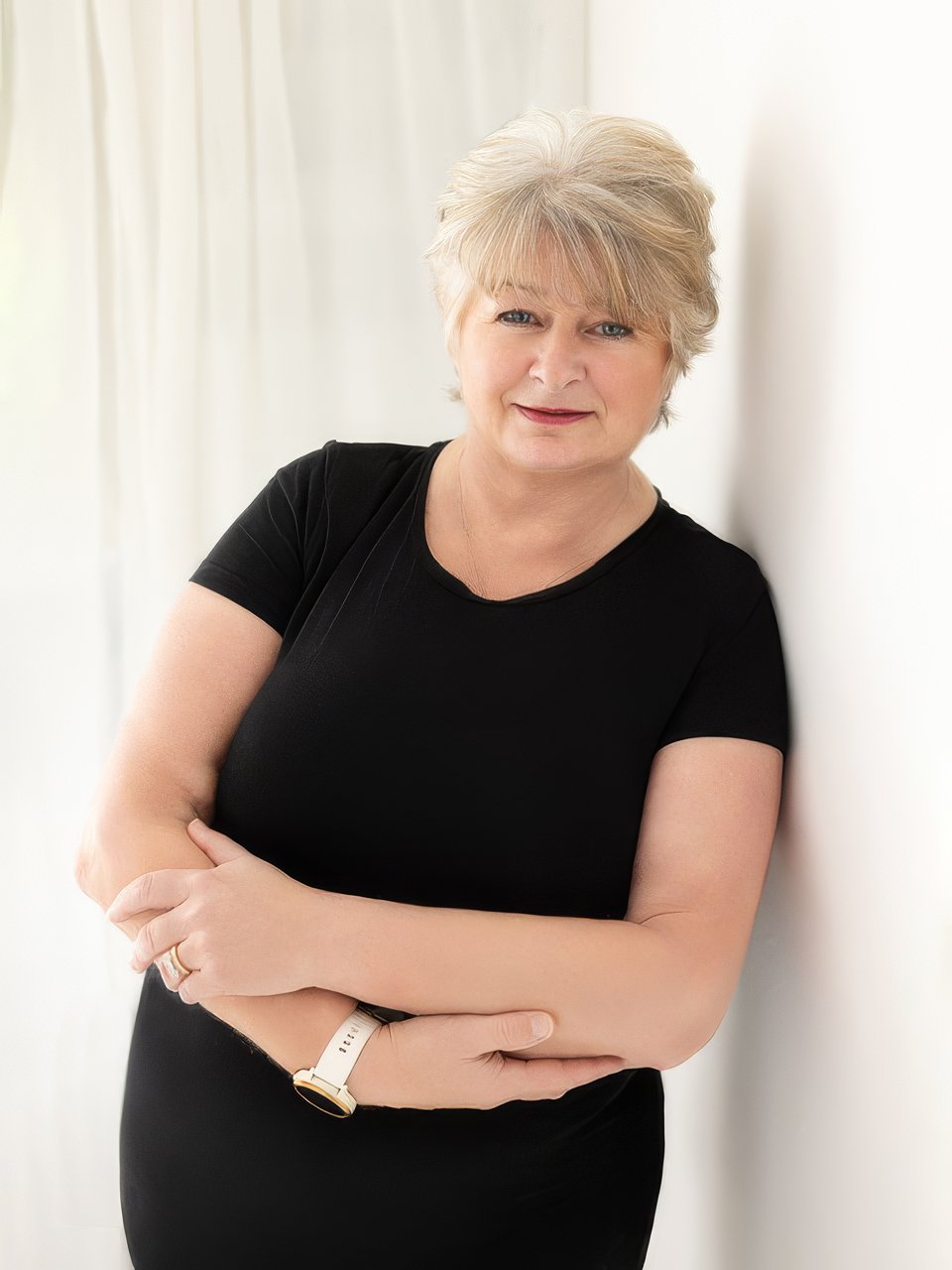
Fiona Palmer
This became one of the questions I particularly wanted Fiona to answerand she couldn't.
Not because she doesn't regard cancer rehabilitation as her specialism today, but because there wasn't a particular certificate that suddenly transformed her into a specialist.
There was her existing Pilates and movement education. Years of scar therapy and Structural Integration. Initial breast cancer education. More cancer rehabilitation education. Oncology massage. Oncology scar work. Manual Lymphatic Drainage and subsequently more advanced lymphoedema education. Working with people following cancer treatment. Listening to people within cancer support groups. Working alongside other professionals. And the very personal experience of cancer affecting members of her own family.
Somewhere amongst all of that, Fiona says, she simply “immersed myself in cancer.” That is quite different from collecting certificates. It also led us towards what I think became the much more interesting part of her Perspective.
Perhaps a Specialist Doesn't Need to Keep the Client
Fiona has a phrase she uses to describe some of the people who come to her:
“I borrow you.”
That stopped me when I first read it.
She isn't necessarily trying to turn somebody who has experienced cancer into a permanent cancer-rehabilitation client. She wants to understand what that person's life looked like before cancer, where they want to get back to and what is currently preventing them getting there. For a period, they may need Fiona's specialist knowledge and experience.
But their destination might be their old Pilates class.
Or their gym.
Or swimming.
Or running.
Or simply returning to the ordinary physical life they had before cancer.
For some people, specialist cancer groups themselves provide something enormously valuable. Fiona describes people who don't have to explain why today is a bad day, why infection control matters during chemotherapy or why simply getting through the door was an achievement.
But she also describes her own daughter, who didn't want cancer to become her identity, and another client for whom continuing to attend her ordinary exercise class was important because it remained her “happy, normal place.”
Neither person is wrong. And that led Fiona to the phrase that ultimately completes her philosophy:
“I return you.”
Perhaps Professional Confidence Looks Different With Experience
There was one other part of our conversation that I particularly enjoyed. When I asked Fiona about developing genuine expertise, she admitted:
“Don't get me wrong, I know my stuff. But imposter syndrome? Always.”
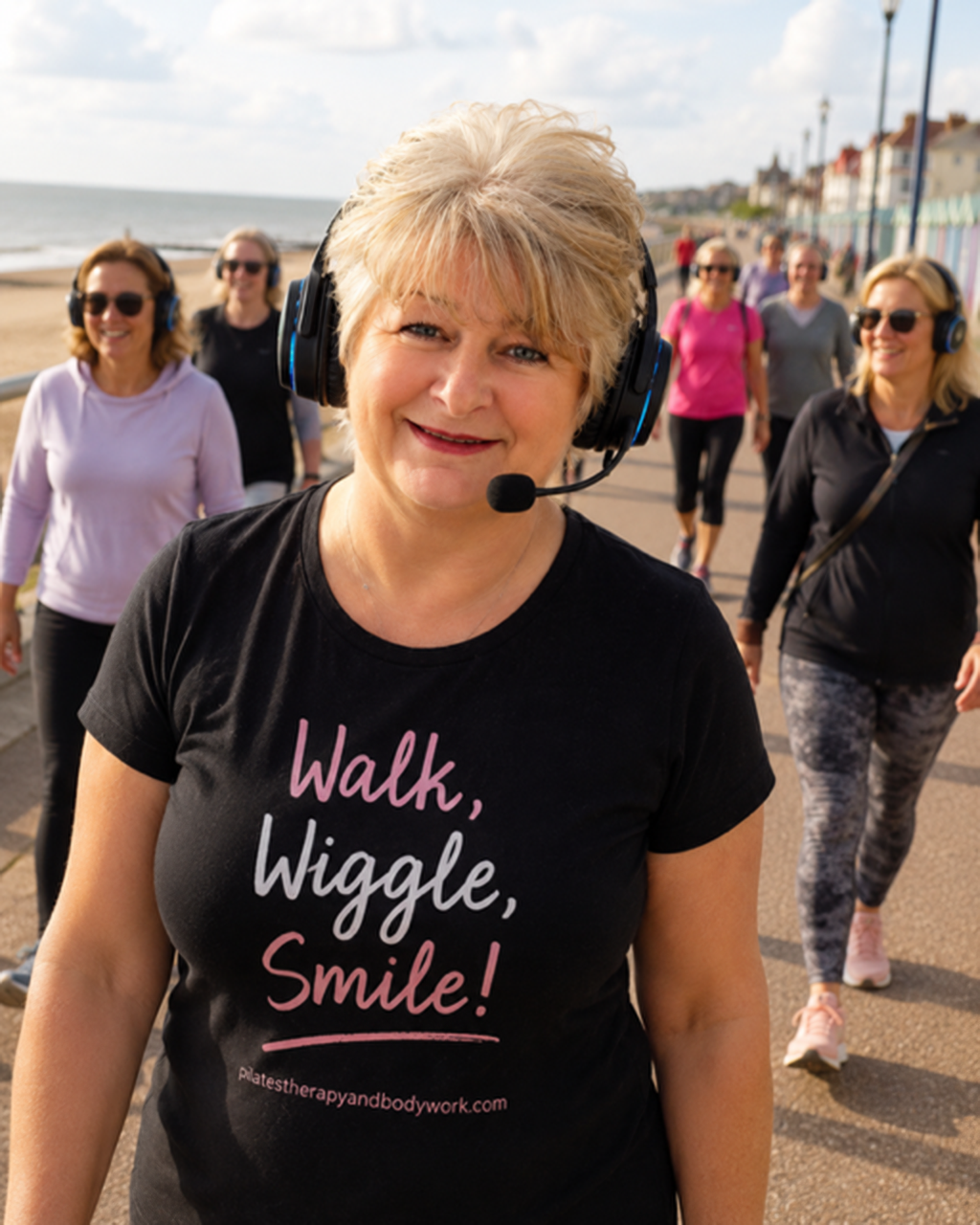
That could sound contradictory, but I don't think it is. Fiona's argument is that becoming more knowledgeable has actually made her more aware of where her knowledge ends. She values having other good professionals around her. Sometimes the most useful conclusion she can reach is that the next thing somebody needs isn't something she provides.
That resonates with something I see more widely in Instructor education. Early in our professional development there can be a feeling that competence means having the answer. Perhaps greater experience eventually teaches us that competence can equally mean knowing who else might have a better answer. That requires trust between professionals rather than competition for ownership of clients. And Fiona feels particularly strongly about that.
So, Do Pilates Instructors Have Too Many Hats?
Interestingly, Fiona's eventual answer is probably no.
Every additional piece of worthwhile education has the potential to improve the way an Instructor works. It can improve screening, understanding, exercise selection, modification, communication and the ability to recognise when somebody needs something else.
The problem isn't owning too many hats. Perhaps it is believing that every hat we own has to become one we regularly wear.
That is the starting point for Fiona Palmer's Guest Perspective, but it certainly isn't where she finishes.
Her article explores what happened when she realised she was trying to wear too many hats herself; how a collection of qualifications gradually became a genuine cancer rehabilitation specialism; why specialist provision isn't automatically the best environment for everybody; why Instructors and specialists should be collaborators rather than competitors; and why sometimes the mark of successful rehabilitation is hearing somebody tell you:
“I don't think I need you anymore.”
Fiona's response?
I borrowed you. Now I can return you.
Read the Guest Perspective
The Instructor With Too Many Hats
When does a qualification become a specialism — and when should a specialist give somebody back?
Guest Perspective by Fiona Palmer
Chris Onslow
Pilates Consultant, Educator, Industry Specialist
Chris Onslow has worked within the Pilates industry for more than 30 years, supporting Pilates Instructors, studio owners, education providers and equipment manufacturers. He is the founder of Pilates Consultant and Director of Mbodies Training Academy, where he develops online and hybrid Pilates education and Continuing Professional Development designed to support Instructors throughout their careers.
Through the Pilates Consultant blog, Chris shares practical observations on Pilates education, professional development, studio business and the wider issues shaping the Pilates profession.