
Boutique Pilates Is Entering Its Retention Era
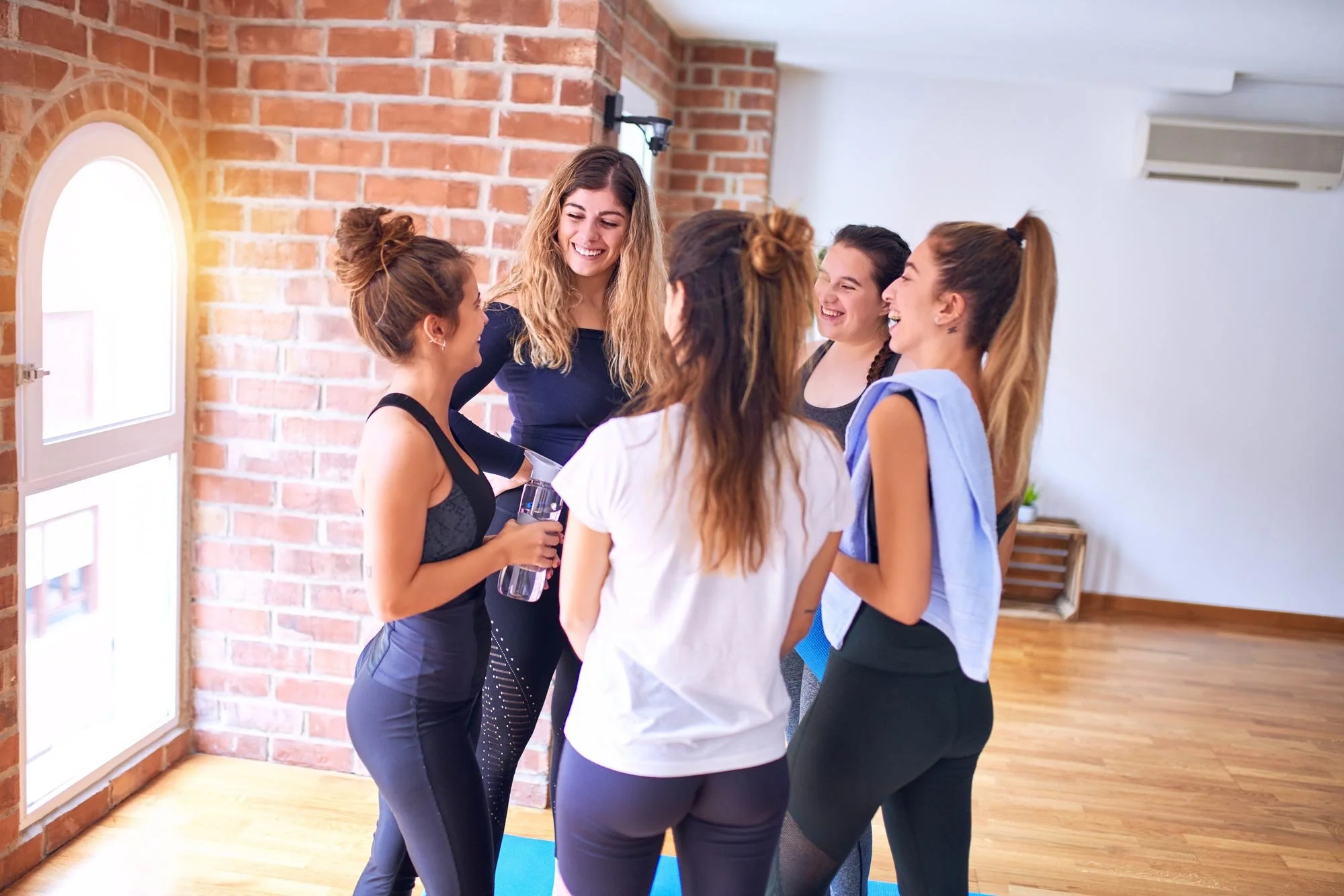
Why the Studios That Survive the Next Five Years May Not Be the Ones Most People Expect
Last month I shared an article discussing a retention tool being developed by Simon Bateman. The article explored why even good Pilates studios still quietly lose members, often without fully understanding why.
What surprised me afterwards was not simply the readership figures, but the behaviour behind them.
Over 100 people clicked through and read the full article, yet not one person contacted either Simon or myself to explore further what was actually a very generous free opportunity to participate in the early stages of the project.
That genuinely surprised me because it led me to question whether many studio owners still fundamentally underestimate how important retention really is to the long-term sustainability of their businesses.
Over many years working within Pilates consultancy, business planning and operational forecasting, retention has consistently remained one of the most important metrics I return to when evaluating the health of a studio business.
Not perfect retention of course, because no membership business keeps everybody forever.
But sustainable retention.
Retention levels strong enough to allow the business to grow without constantly fighting against its own leakage.
Because a studio continually losing members is effectively trying to fill a leaking bucket, and many operators dramatically underestimate how exhausting and expensive that becomes over time.
Boutique Fitness Is Quietly Entering a Different Era
For many years boutique fitness was able to thrive through a combination of:
novelty,
aesthetics,
aspirational branding,
social media visibility,
rapid market growth,
and relatively inexpensive customer acquisition.
Pilates itself expanded rapidly. Reformers became aspirational lifestyle objects in their own right. In some parts of the market simply opening a beautiful Reformer studio was often enough to generate substantial initial interest.
I am not convinced that environment now exists in quite the same way.
The next phase of the boutique fitness market is unlikely to reward hype, novelty and aesthetics alone in the same way the previous growth cycle did.
Instead, I increasingly suspect it will reward:
operational discipline,
onboarding systems,
emotional intelligence,
retention structures,
customer psychology,
behavioural consistency,
financial realism,
and long-term trust.
The studios that survive and thrive over the next three to five years may not necessarily be the studios with:
the largest social media following,
the most aesthetic interiors,
or the loudest online presence.
Increasingly they may simply be the businesses becoming quietly operationally excellent.
Operational Excellence Is Usually Less Glamorous Than People Imagine
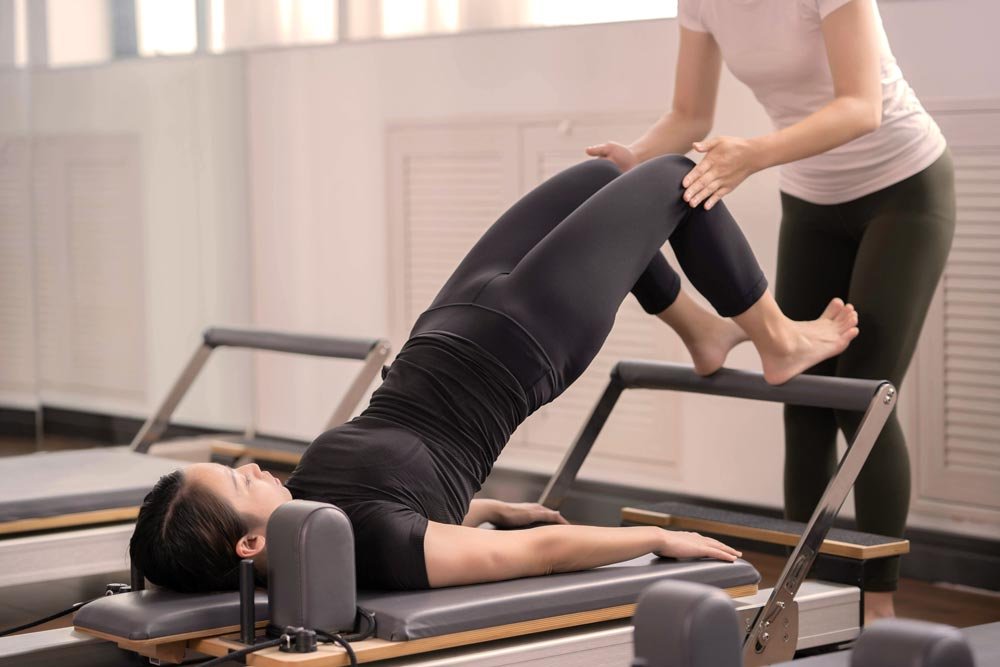
Operational excellence rarely looks exciting online.
It is found in:
onboarding systems which make nervous new members feel comfortable before they attend their first class,
instructors remembering names,
noticing absence patterns,
building genuine relationships,
carefully structured memberships,
sensible pricing models,
realistic lease negotiations,
and business owners understanding exactly where financial leakage is occurring inside the business.
Most importantly however, it is found in understanding customer psychology.
Many studios still believe retention is primarily about delivering technically excellent classes.
Yet increasingly, excellent classes are becoming the minimum standard rather than the differentiator.
A client may genuinely enjoy a class and still leave if no wider emotional connection exists around the experience.
And this may become even more important as economic pressure increases across the UK.
Consumers themselves are becoming more selective about discretionary spending. That inevitably changes behaviour because people become more willing to cancel memberships they are emotionally disconnected from or no longer perceive as essential.
The Human Studio May Become More Valuable, Not Less
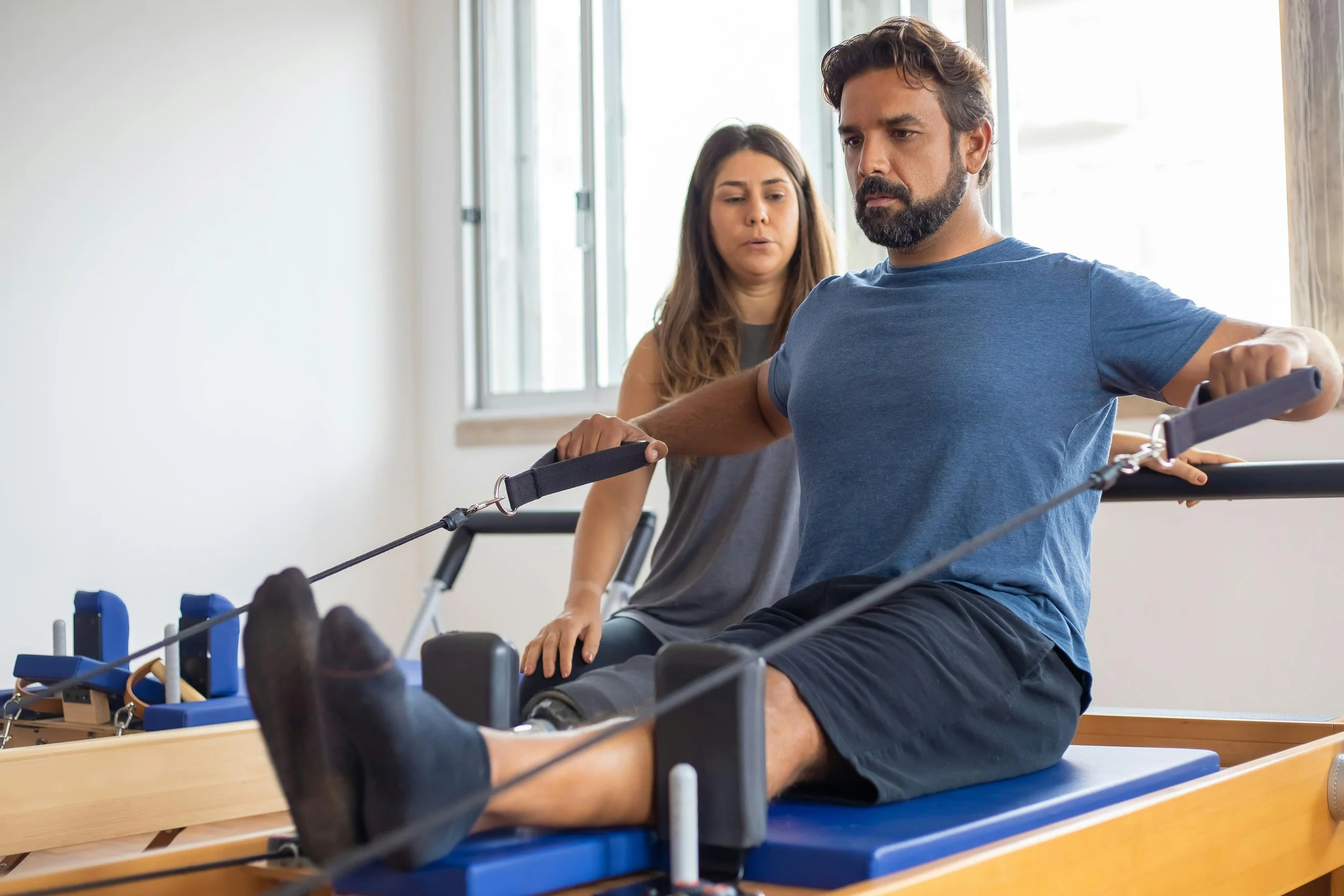
Ironically, artificial intelligence may accelerate this trend rather than weaken it.
AI has made content creation easier than ever before, but simultaneously harder to trust.
We are entering a world increasingly filled with:
generic content,
recycled advice,
automated marketing,
and endless social media noise.
As a result, genuinely human businesses may actually become more commercially valuable rather than less.
Studios where:
members feel recognised,
somebody notices when they disappear,
relationships extend beyond transactions,
community exists beyond the timetable,
and the business model itself is grounded in operational realism rather than permanent growth optimism.
These are likely to become increasingly important competitive advantages.
Final Thoughts
The UK fitness industry continues reporting strong membership growth overall.
But large sector-wide membership figures do not necessarily mean the retention problem has been solved.
In some cases they may simply mean that new member acquisition is temporarily masking the churn sitting underneath many business models.
The studios that matter most over the next five years are unlikely to be the businesses shouting the loudest online.
They are more likely to be the businesses quietly becoming:
operationally intelligent,
emotionally connected,
financially resilient,
and commercially sustainable.
Because ultimately the future of boutique fitness may belong not simply to the studios with the best marketing.
But to the studios that become genuinely difficult for their members to leave.
Download the Full White Paper:
Why Retention May Become the Most Important Metric in Boutique Pilates
Author: Chris Onslow - Pilates Consultant
Chris Onslow, has run Pilates focussed businesses since 1998. He and his team specialise in supporting Pilates entrepreneurs and business owners. With a rich history of owning and running successful Pilates studios in the UK, and supporting others in Europe and the Middle East, Chris has broad expertise in maximising profitability and optimising operational efficiency. His agency provides top-tier advice on selecting new, pre-owned, and hireable Pilates equipment from renowned brands such as Align-Pilates, Balanced Body or Stott-Pilates/Merrithew. As the founder of Mbodies Training Academy, Chris continues to revolutionise Pilates education, offering premier online and hybrid CPD and qualification courses for Pilates apparatus instruction and special population CPD.